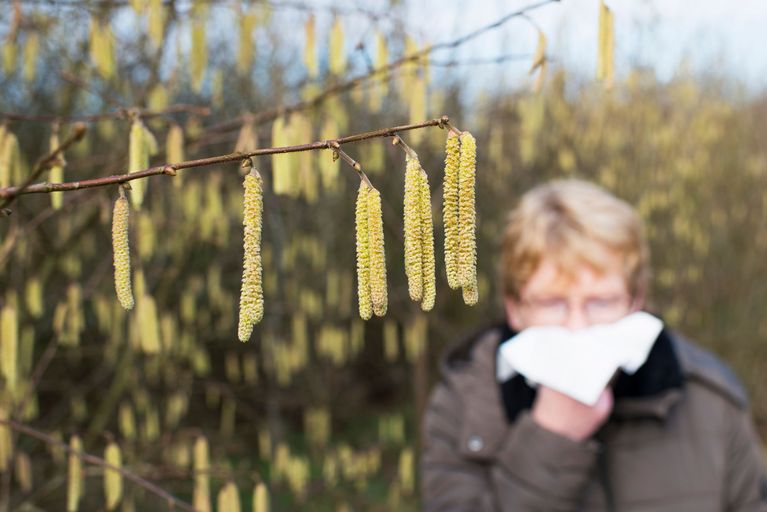
Pollen allergy and the impact of a changing climate
While hay fever was almost unheard of in Switzerland 100 years ago, at present, around 20 percent of the Swiss population suffers from pollen allergy. Importantly, climate change is causing an earlier onset and increased intensity of the pollen season for many allergenic plants. Climate change also fosters the spread of highly allergenic invasive plants like ragweed. Furthermore, the combined exposure to air pollution and pollen may worsen allergic reactions through increased sensitivity and increased pollen allergenicity. Scientists of the Swiss Commission for Atmospheric Chemistry and Physics provide an overview of pollen, hay fever, and how climate change is affecting both.
Source: Eeftens M, Tummon F (2024) Pollen allergy and the impact of a changing climate. Swiss Academies Factsheets 19 (1)